By category
Sixteen ways in, and four different people finishing the order
Browsing by category is the fastest way to find something. It is also where a quiet division of labour starts: some categories are settled entirely by what you tick on the listing, and some are not settled until the parcel is on a scale or in front of a carrier. The note under each card below says which.
The sixteen, grouped by who finishes the job
Six of these you settle yourself when you tick the options. Three wait for a scale. Four are governed by clauses in the official disclaimers. Two are the carrier's call. One is not a category at all. The four sections after this one take those groups in turn.
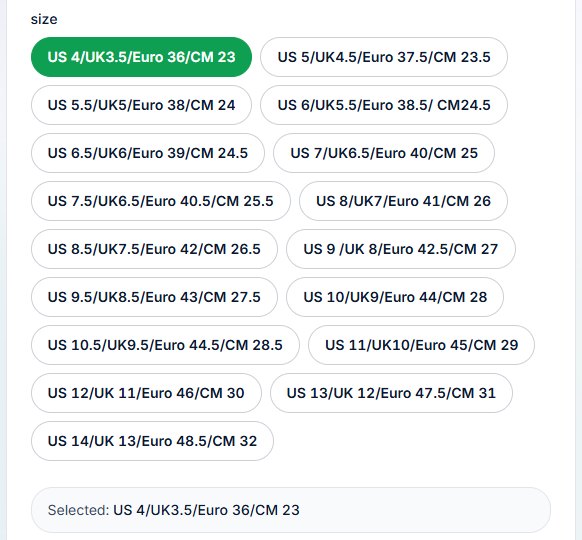
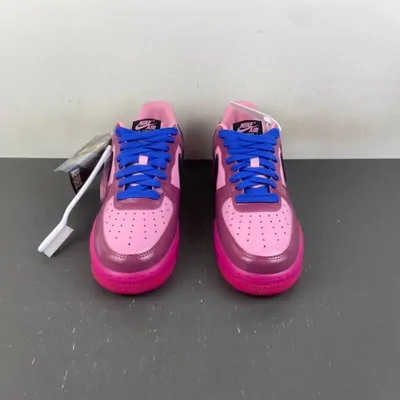 SneakersYou settle it. Chinese sizes carry no width, so read the centimetre figure rather than the US number beside it.
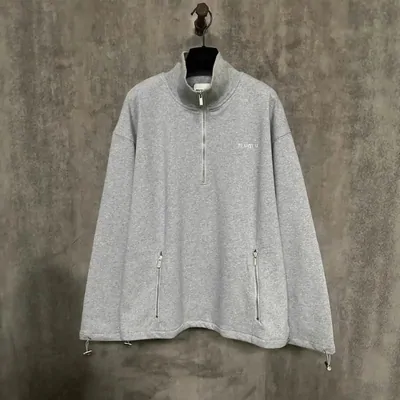 HoodiesYou settle it, from a Chinese option list. The English colour word in the title is not the thing you picked.
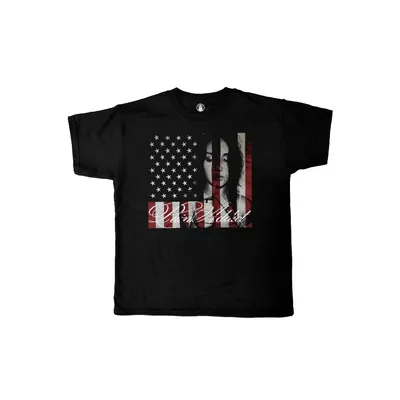 T-ShirtsYou settle it. Light enough that the freight, which nobody has set yet, can end up costing more than the shirt.
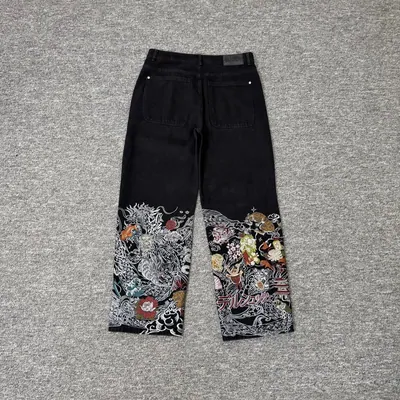 JeansYou settle it, against the seller's own chart. A waist number is not a promise that two listings are cut alike.
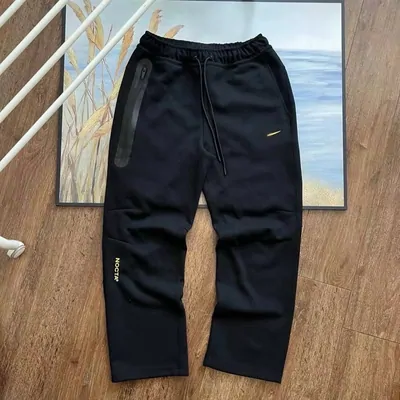 SweatpantsYou settle it, with more room to be wrong than most. A common first order for exactly that reason.
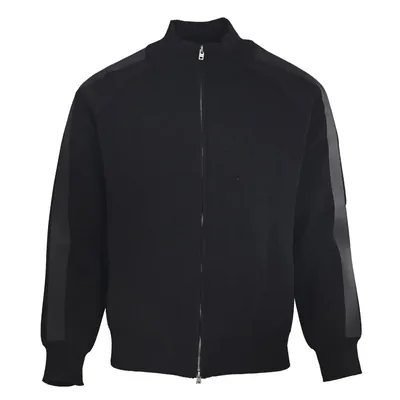 Jackets & CoatsA scale settles it. The coat is weighed at the warehouse, and the freight follows from that number.
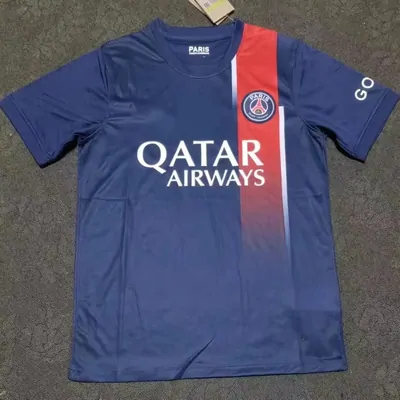 JerseysThe seller settles it. A name and a number make it made to order, and the official customised clause takes it out of the standard check.
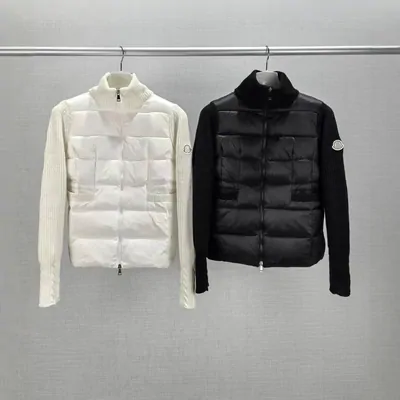 WomenswearNobody has arranged this one. It runs a keyword search, so you are matching Chinese titles rather than opening a shelf.
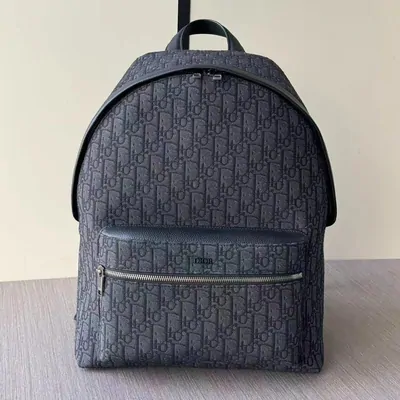 BagsA scale settles it, and it charges for the space rather than the mass.
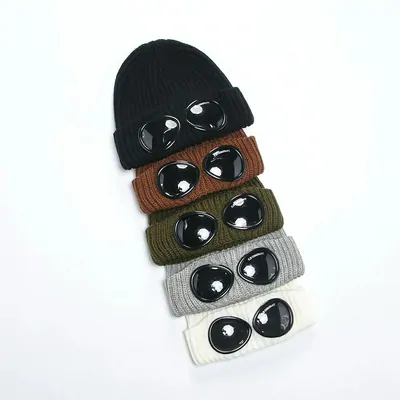 HatsA scale settles it. A hat weighs almost nothing and still fills the box it gets charged on.
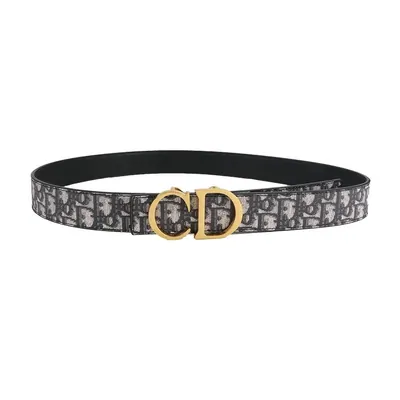 BeltsYou settle it, once you work out which measurement the listing means: waist on some, total length on others.
 EyewearThe disclaimers settle it. Glass is named in the fragile clause, and that clause is about who carries transit damage.
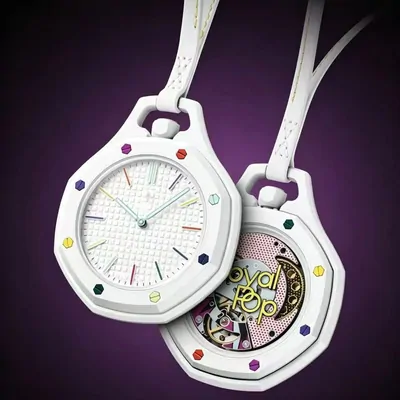 WatchesThe carrier settles it. A battery decides which shipping lines will take the parcel at all.
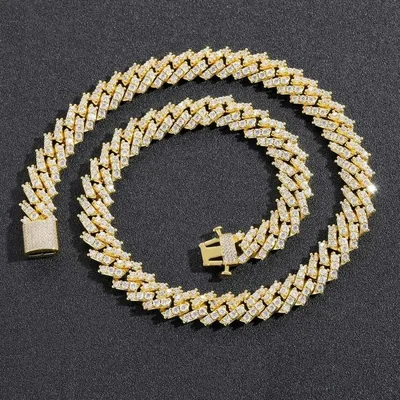 JewelleryThe disclaimers settle it. Branded pieces sit in the clause that rules out a professional check.
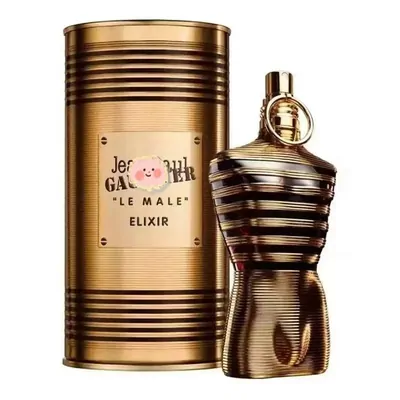 PerfumeThe carrier settles it. A liquid is read against the sensitive-goods clause before anything else about it matters.
 ElectronicsThe disclaimers settle it, and the wording is specific: the inspector cannot switch the device on.
Fifteen open a category page. Womenswear runs a search, because clothing is filed by garment rather than by who wears it.
Nine of them are decided before the parcel exists
Six come down to a list you did not write. Sneakers, hoodies, t-shirts, jeans, sweatpants and belts all ask you to pick an entry from the seller's own option list, and the official size page allows 1 to 3 centimetres of difference for a manual measurement. That allowance is often the whole gap between two sizes, which is why the centimetre figure is worth more than the US or Euro label printed next to it.
Three more are decided by shape rather than by choice. A coat, a bag and a hat are all light and all bulky, and international freight is worked out once the parcel has been weighed and measured at the warehouse. Nothing on the listing tells you that number in advance, and no amount of care picking the size changes it.
The practical split: for the first six, slow down on the option list. For the other three, slow down on how many you put in one parcel.
Six are settled by somebody who is not in the conversation
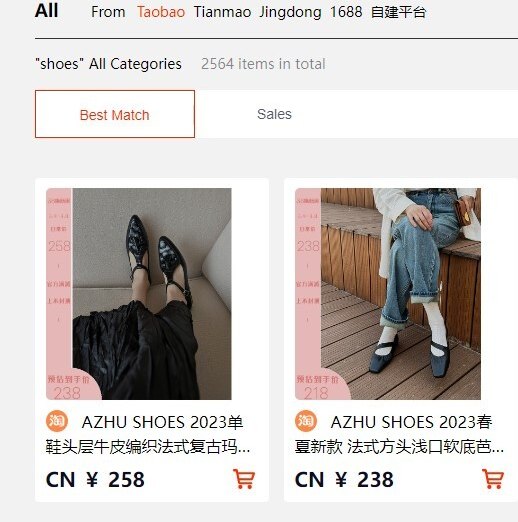
Four of them run into the limits of the warehouse check. Jerseys with a name and a number fall under the customised-products clause, where you settle the wording with the seller and no professional check applies. Eyewear meets the fragile-items clause, which names glass and says transit damage sits with you once logistics classes the parcel that way. Jewellery sits with brand and limited-brand goods in the clause that rules out a professional check, so the warehouse photos show you a piece rather than vouch for it. Electronics get the most specific wording of the four: the inspector cannot power the device on.
The other two never reach that argument. A watch has a battery and a bottle of perfume is a liquid, and both are read against the sensitive-goods clause first. Sensitive goods are taken out of a parcel to protect the rest of it, which means the question is not how carefully it was packed but whether it was allowed on the aircraft at all.
None of these six is a reason to avoid the category. They are a reason to read the clause before you order rather than after.
Womenswear is the one that is not a category
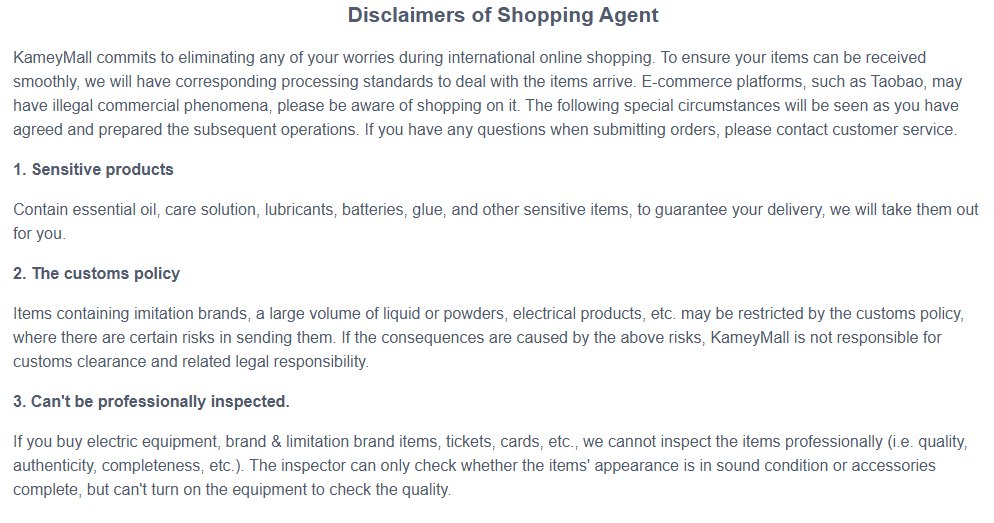
Fifteen of the sixteen cards open a category page. Womenswear opens a keyword search instead, because clothing is filed by garment rather than by who wears it. There is no women's shelf to open.
That is worth knowing before you click, because a search behaves differently from a category. A category page is a set somebody put together. A search is a count: whatever matched the word, in whatever order the matching produced. KameyMall's own search screen shows the same thing from the other side, with a total sitting above the results and the sort control offering Best Match or Sales and nothing else.
So treat the womenswear entry as a starting keyword rather than a finished shelf, and expect to narrow it by garment once you are in.
Every clause named above is on one page, and it is worth the ten minutes
The groups on this page are not a house scheme. They come from the Disclaimers of Shopping Agent page, which runs to ten numbered clauses and covers sensitive goods, customs, fragile items, customised products and the limits of the inspection. Read once, it tells you which of the four groups your own order is in.
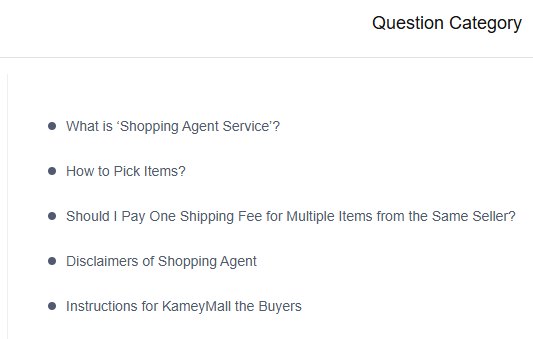
The size page is the other one worth opening, and it is where the 1 to 3 centimetre allowance quoted above comes from. Both sit in the help centre, which lists its pages under Question Category rather than under a search box.
If you would rather work from your own order than from a list of clauses, the picker asks for your category and source platform and names the fields those two put in play.